Kids' Reading Nook Ideas: How to Create a Cozy Space They'll Actually Use
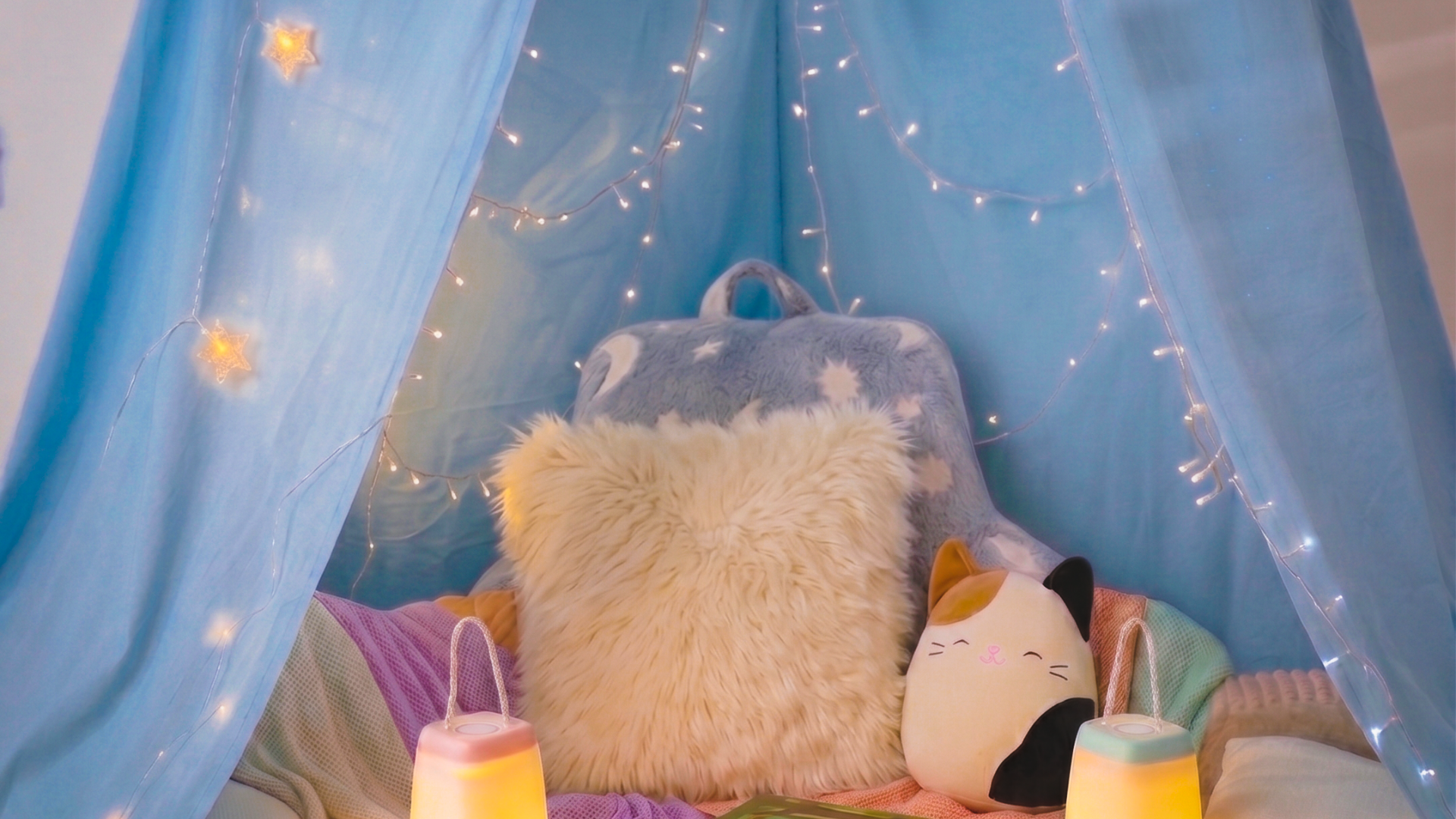
A kids’ reading nook filled with soft, inviting textures offers the perfect refuge for little ones. Image credit: Daisies in clover
The following sections feature several affiliate links or ads, meaning we’ll earn a small commission if you purchase through these links. Please see our privacy policy for more details.
Setting up a reading nook in your home gives your child a dedicated space to study or simply get lost in a good book. Beyond the obvious benefits for literacy, a cozy reading corner can also serve as a calming retreat during moments of sensory overload. It’s a quiet place that belongs entirely to them.
The key to creating a space your child will actually want to use is making it as comfortable and inviting as possible. These reading nook ideas will help you build something truly special, and they can fit into any small corner of a room.
Why A Reading Nook is Important
Fostering a love of reading early in life can set your child up for success in school and beyond, and creating a DIY reading nook is one simple way to encourage that habit every single day. When kids have a space that feels like theirs — cozy, calm, and free from the chaos of toys and screens — they're far more likely to settle in and stay a while.
Research consistently shows that children who read for pleasure develop stronger vocabulary, better focus, and higher academic performance over time. But maybe just as important, reading together or independently builds imagination and emotional intelligence in ways that screens simply can't recreate.
You can create a reading nook even in a small bedroom with just a few thoughtful additions. The most important rule? This space should be exclusively for reading or relaxing, not homework battles or screen time. Keep it positive, keep it cozy, and let your child take some ownership over how it looks and feels. Even toddlers who aren't reading yet benefit enormously from spending time with books, building the foundation for literacy one page at a time.
Choose Warm, Neutral Colors for Your Reading Nook
You don’t have to paint or redecorate to create a reading nook, but you’ll want to choose a color theme for any items you buy to create the space. Warm, neutral colors can be very calming, setting the perfect scene for reading without distractions. Think soft blues, greens, and pinks, along with ivory or beige. If your child is old enough to help design and decorate the space, be sure to ask for input before you start shopping. It’s important they love the way it looks as much as you do.
Set Up an Indoor Tent for a Cozy Reading Corner
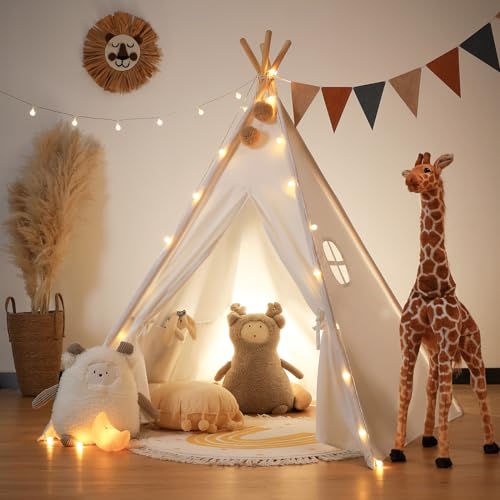
An indoor tent instantly creates a space away from the rest of the room, which can be used for quiet time. We love this simple tent with built-in lights and storage compartments, but there are many other designs and sizes to choose from. Remember that the tent doesn’t have to be huge; it just needs to have enough space for your child to relax comfortably. Look for a tent that’s easy to assemble and has a door for a bit of extra peace and quiet.
Add Soft Accessories to your Kids’ Reading Nook
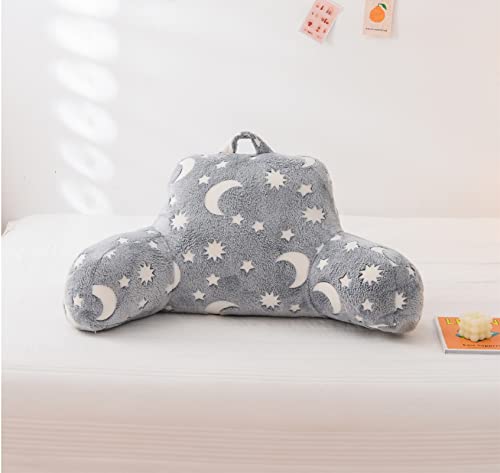
The most inviting bedroom book corner/reading nook is filled with soft accessories to make the space cozy and comfortable. Oversized floor pillows are great options, and you can add plush reading pillow for extra back support. Choose pillows with super-soft textures, such as chenille or faux fur, to add a bit of luxury. If you’re worried about stains or spills, there are lots of oversized pillows with removable, washable covers. Complete your child’s DIY reading area with a fluffy throw rug.
Create Reading Nook Lighting
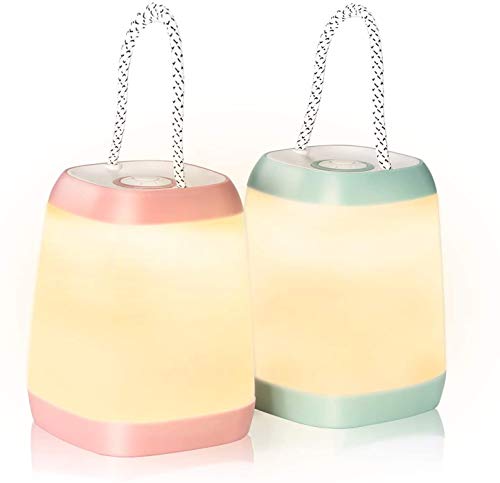
One challenge you might face when setting up a reading nook tent is finding the right type of lighting. You’ll want your child to be able to read without straining, but a tent does limit access to wall outlets. Battery-operated touch lamps offer a great solution, but you can also opt for super-cute camping lanterns to fit in with the tent theme and provide plenty of lighting. White LED light strings are also great for accenting the space and adding a fun yet soothing look.

Using the Reading Corner as a Calming Space
Kids who are neurodivergent might also find a quite reading corner to be the perfect space for escaping from sensory overload. This is another reason to choose neutral colors and inviting textures as you create the space. Adding a sound machine can be a great option to make the nook work as a calming room, depending on your child’s sensory needs. Other additions might include a weighted blanket, fidget stress relief mats, or even a plush sensory stress relief pillow. It might take some trial and error to determine which calming accessories work best, but giving your child this quiet space may help relieve moments of sensory overload.
Reading Nooks for Sensory-Sensitive Kids
For children who are neurodivergent, a reading nook can be so much more than a place to read. With the right setup, it becomes a true regulation station: a predictable, safe space they can retreat to whenever the world feels like too much.
Keep stimulation low and predictable. Stick to soft, neutral tones for fabrics and décor, and avoid anything with loud patterns or bright colors. Consistency matters, so try to keep the nook looking and feeling the same so your child always knows what to expect when they head there.
Layer in sensory-friendly textures. Many sensory-sensitive kids find deep pressure and soft textures incredibly soothing. A weighted blanket is one of the most popular additions for this reason, helping kids feel grounded and secure. Pair it with a super-soft chenille pillow or a plush faux fur floor cushion for a space that feels like a warm hug.
Manage sound thoughtfully. Some children need total quiet to regulate, while others actually do better with gentle background noise. A white noise machine or a soft sound machine with nature sounds can help block out household commotion without adding overwhelming stimulation. If your child feels overwhelmed by noises, consider keeping a pair of dedicated noise-canceling headphones in the nook instead.
Add fidget-friendly elements. Reading doesn't have to mean sitting perfectly still, especially for kids with ADHD or sensory needs. Adding a few quiet fidget tools nearby, like a sensory stress ball or a textured fidget mat, can actually help kids focus better as they read.
Let them lead. Every sensory-sensitive child is different, and what works brilliantly for one may not work for another. Involve your child in setting up and adjusting the space, and be open to tweaking things over time. The goal is a corner that genuinely helps them feel calm and regulated, and they are the experts at what works best for them.
A reading nook can be a great place for your child to escape into worlds of make believe or simply escape from sensory overload. Let them being in charge (gently) of how it looks and feels so they feel like the nook is truly theirs.
And remember, sensory overload isn’t just a thing kids experience. Parents can benefit from a sensory refuge too. Learn how to set up your own adult calming corner so you can recharge, reset, and be your best self for the kids.
Frequently Asked Questions About Kids' Reading Nooks
How much does it cost to set up a reading nook for kids? A basic reading nook can come together for as little as $50–$100 if you already have some pillows and blankets on hand. A more fully outfitted setup with an indoor tent, lighting, and accessories typically runs $150–$300. The great news is that you don't have to do it all at once — start with a cozy corner and a good lamp and build from there.
What age is good for a reading nook? There's no wrong age to start! Even babies and toddlers benefit from a soft, book-filled corner where caregivers can read aloud together. For independent readers, anywhere from age 4 or 5 onward is a great time to set up a dedicated space. Older kids and tweens often love having input into how their nook is decorated, which makes them more likely to actually use it.
How much space do I need for a reading nook? Much less than you might think. A cozy 3x3 foot corner is enough for an indoor tent and a few cushions. Even the space beside a bed, under a loft bed, or in a closet with the doors removed can become a charming reading retreat with the right accessories.
Does a reading nook have to be a separate room? Not at all. Most reading nooks are carved out of existing spaces — a bedroom corner, a living room alcove, or even a spot under the stairs. The goal is to create a sense of separation and coziness, which an indoor tent or a simple curtain can achieve without any construction required.
What should I put in a kids' reading nook? At minimum: comfortable seating (floor pillows, a bean bag, or a small chair), good lighting, and easy access to books. From there you can add soft textures like throw blankets and rugs, a small bookshelf or book ledge, and personalized touches that reflect your child's interests. For sensory-sensitive kids, consider adding a weighted blanket, white noise machine, or fidget tools as well.
How do I get my child to actually use the reading nook? Involve them in setting it up — kids are much more invested in spaces they helped create. Stock it with books they actually want to read, keep screens out of the space entirely, and try making "reading nook time" a cozy part of your daily routine rather than a chore. Some families tie it to a reward chart for younger readers, tracking minutes spent reading toward a small goal.