10 Fun Alternatives to Dyeing Easter Eggs
ImageSource: Shutterstock/NataKor
Easy Easter Projects that Don’t Require Eggs
The following sections feature several affiliate links or ads, meaning we’ll earn a small commission if you purchase through these links. Please see our privacy policy for more details.
If dyeing Easter eggs isn’t in your plans this year, you’re not alone. With rising egg prices and packed family schedules, many parents are searching for fun alternatives to traditional Easter egg decorating. The good news? There are plenty of creative, kid-approved activities that capture the same excitement without the hassle. These Easter egg dyeing alternatives are simple, affordable, and perfect for starting new family traditions.

Dyed Easter Carnations
Dyeing carnations for Easter is fun, and it might even be easier than dyeing eggs! All you’ll need for this project is a bundle of white carnations, food coloring, scissors, and a vase. You can mix food coloring hues to come up with fun new shades or simply stick with the classics that come in the box. White roses are also good for this project, but they are a little more expensive. Best of all, once the flowers are all dyed, they can be used as the centerpiece for Easter dinner. You can find all the details on how to dye carnations in this post from Little Passports.
Easter Sheet Cake Decorating
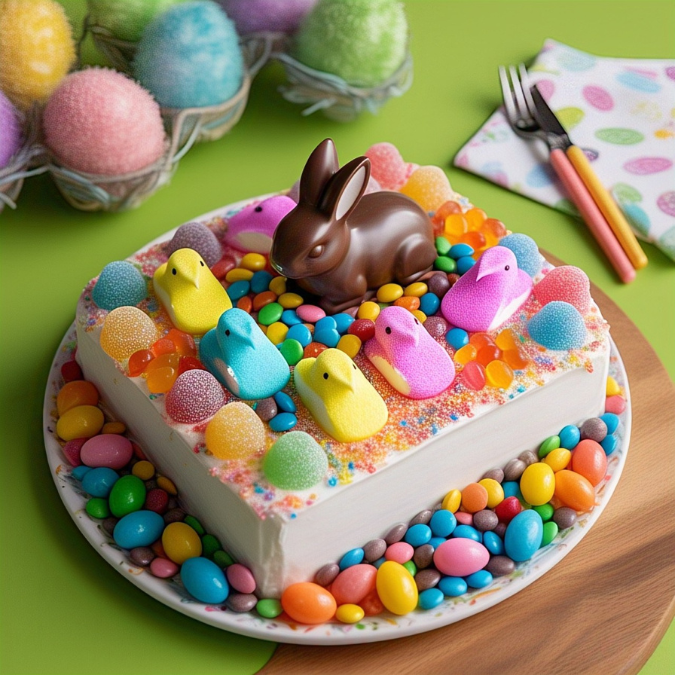
A plain white sheet cake from Costco or Walmart can quickly become the star dessert of Easter dinner with a few fun decorations. Let your little ones get creative with gel icing, Peeps candies, pastel M&Ms, Easter sprinkles, and other decorations to make their own fun Easter cake. This project can keep them busy while you prepare Easter dinner, but you can also help to make it a family activity. If sharing one cake to decorate together might be an issue, you can also purchase (or bake) plain cupcakes so everyone can have their own Easter creation.
Stenciled Easter Napkins
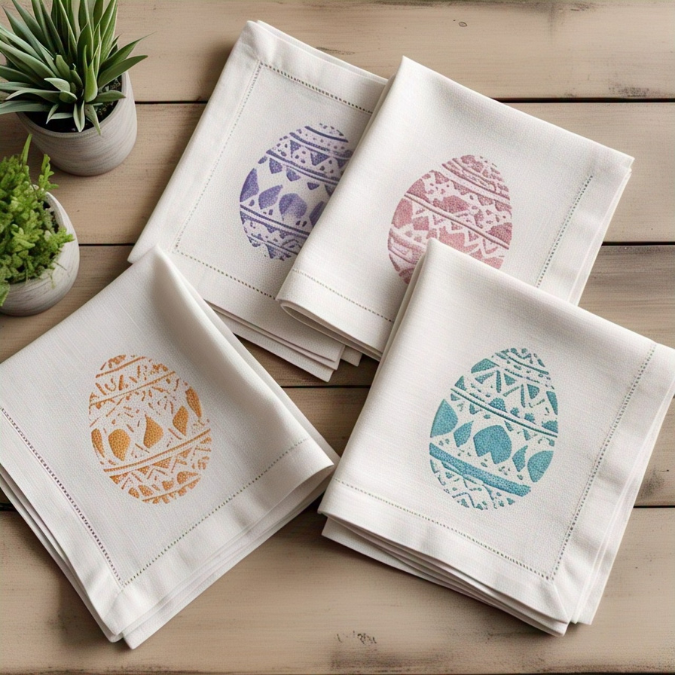
Creating custom Easter napkins with fabric paint or paint pens is a great alternative to dyeing eggs this year. The napkins can then be used to decorate the table for Easter dinner every year. Simply purchase plain white linen (or cotton) napkins, a few Easter-themed stencils, and the fabric paint of your choosing. Be sure to follow the instructions on the paint packaging when preparing to wash the napkins so the designs stay looking their best. If you have an infant or toddler who is too young to decorate their own napkins, consider using the paint to create handprints or footprints on the napkins. This creates a lasting keepsake you’ll treasure for years to come.
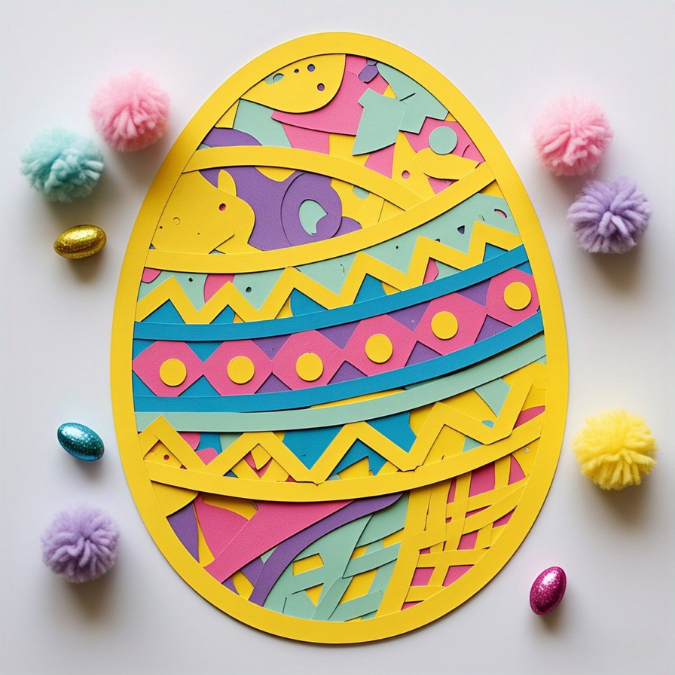
Construction Paper Easter Eggs
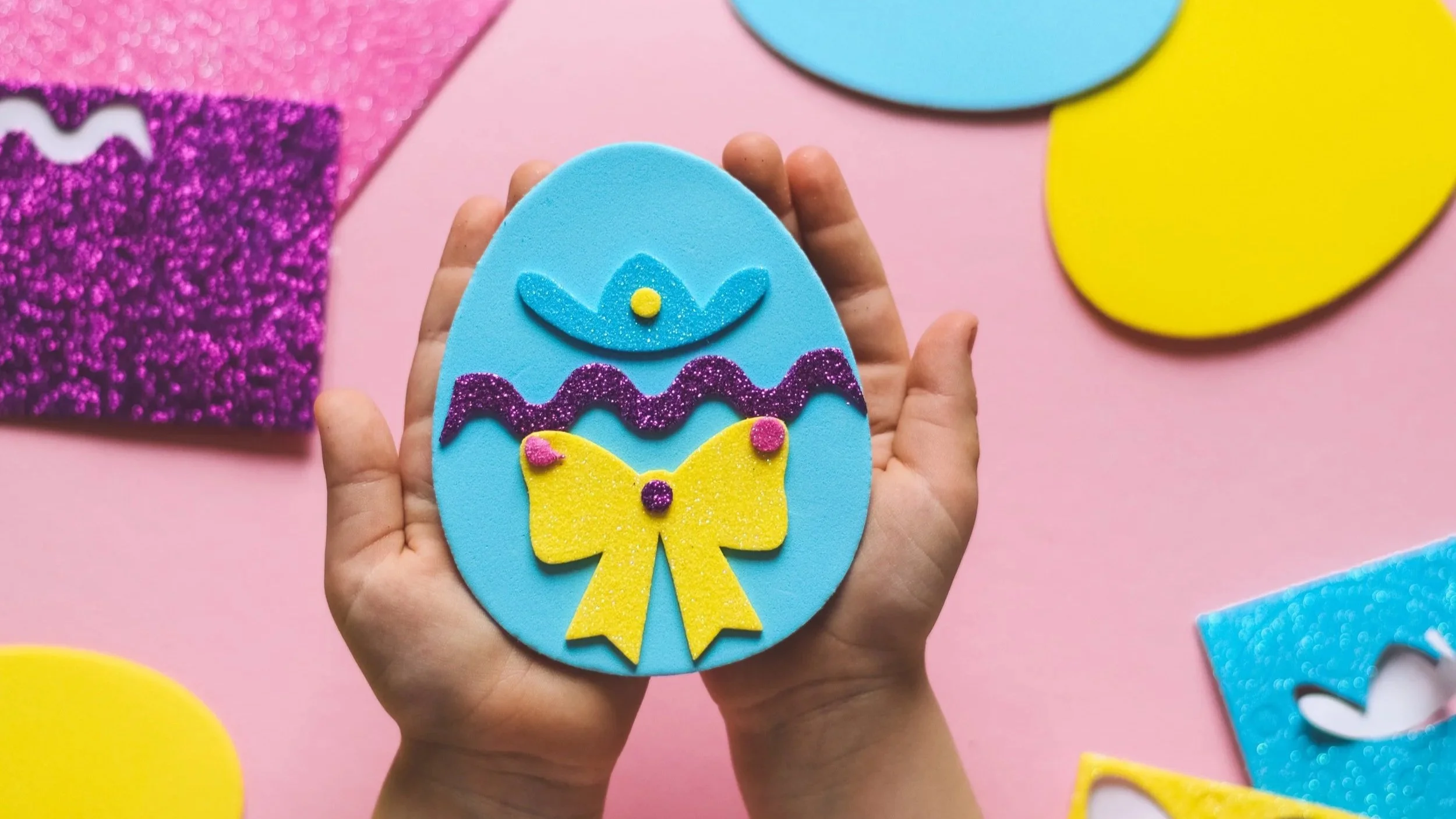
Making construction paper Easter eggs might be the least expensive project to do with your kids. All you really need is a pack of construction paper, markers or crayons, safety scissors, and a few glue sticks. You can also use pom poms, sequins, foam stickers, or glitter glue as well. Simply cut out the shape of an egg using one piece of construction paper and use that as the base for decorating. Kids can cut strips and shapes from additional pieces of construction paper to build their designs or simply draw on Easter egg decorations. Once all the paper eggs are finished, hang them around the house to decorate your home for the holiday. You can also hide their paper eggs for an easy alternative to a traditional Easter egg hunt. For a sturdier design, consider foam craft sheets or cardstock instead of construction paper.
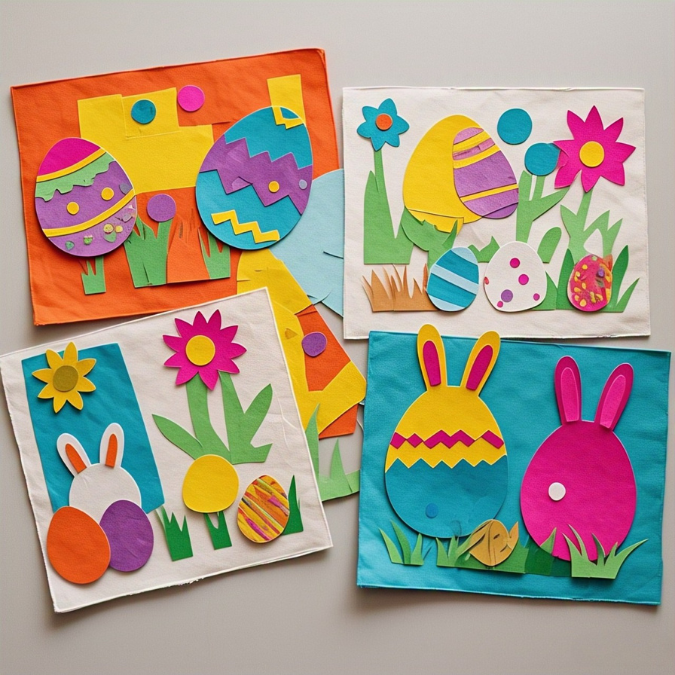
Easter DIY Paper Placemats
Put the kids in charge of decorating the table for dinner with DIY Easter placemats. Using the same materials from the paper Easter egg project, kids can create their own unique placemats with an Easter theme. A single sheet of 8.5 by 11-inch construction paper is the perfect size for a placemat, so there’s no prep work needed for kids to begin. They can color or build their design with paper scraps and finish them off with a few sparkling sequins. Avoid pom poms or any dimensional decorations, as they will get in the way of plates and bowls on the table. If you happen to have a laminating machine, you can make the placemats somewhat water-resistant and food-proof, but it isn’t absolutely necessary.
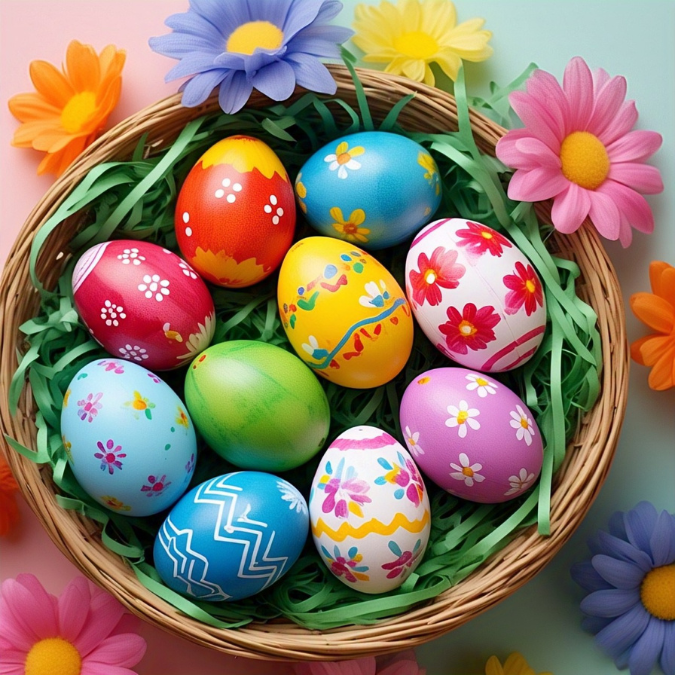
Painted Plastic Easter Eggs
Plastic eggs designed for crafting are a great alternative to dyeing Easter eggs, plus they can be used as decorations for years to come. A few dozen are cheaper than eggs from the grocery store (depending on where you live), which is an added bonus. You’ll just need the plastic eggs, along with crafting paint and brushes to complete this project. You can also invest in a drying rack that keeps the paint from smudging or smearing while the eggs dry. In addition to brushes, consider using toothpicks or cotton swabs for more intricate designs. Stencils are also a great tool to use for this family Easter project. If you prefer not to use plastic, there are also wooden craft eggs to use as an alternative.
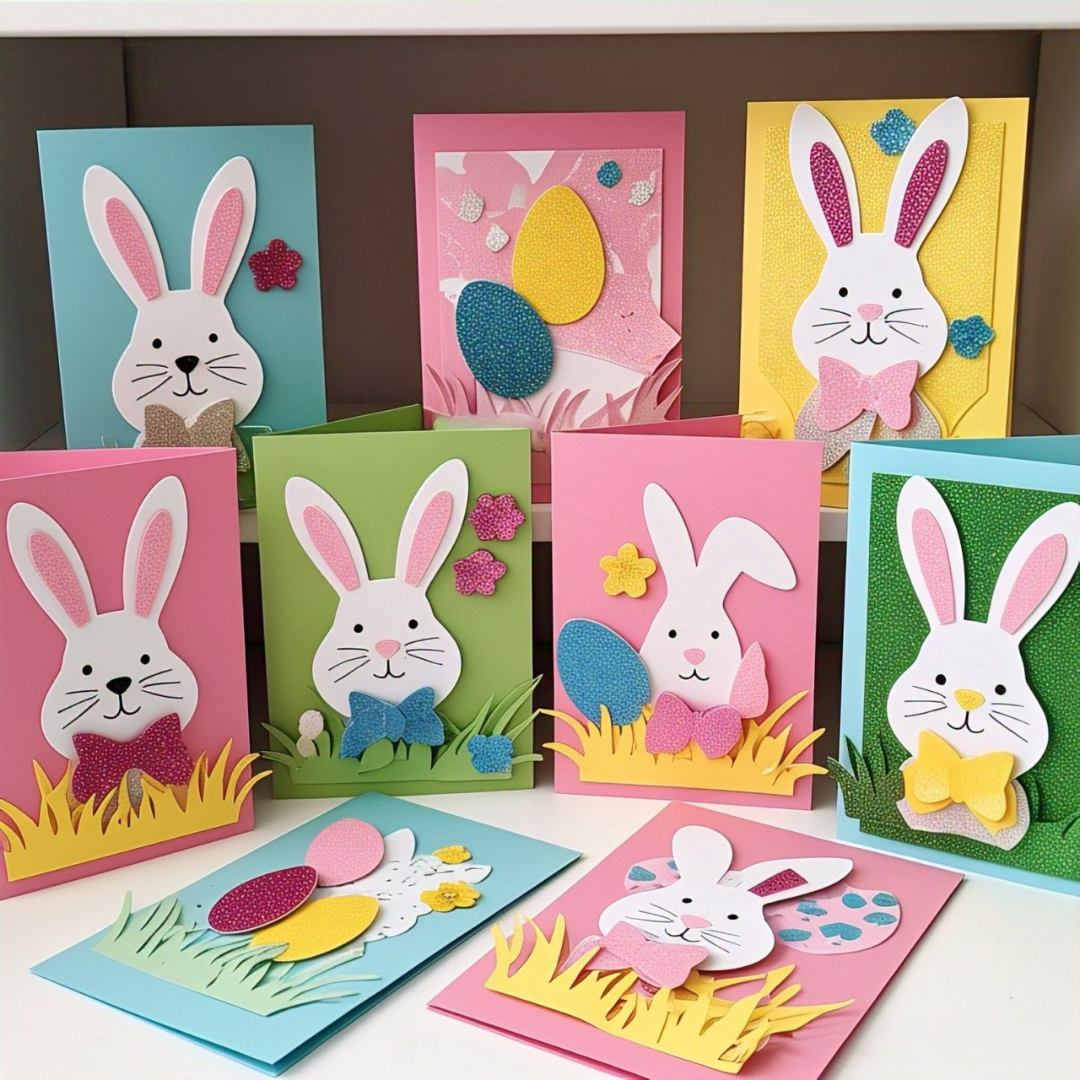
Easter Greeting Cards
Create fun greeting cards for friends and family using construction paper and other craft supplies you probably already have around the house. Simply folding the paper in half creates the card design, and kids can add their own personal touches on each side of the paper. You can also purchase blank white cards and envelopes for a more traditional look. Just like the linen napkin project listed above, this project can be tailored to babies and toddlers by adding their handprints or footprints to the cards. This makes your handmade Easter cards a special treat for grandparents, aunts, and uncles.

Easter Egg Sugar Cookies
Easter egg sugar cookies are easy to make and even easier to decorate. You can use store-bought sugar cookie dough or prepare your own from scratch for this fun family activity. Using an Easter egg cookie cutter and fun cake decorating supplies like these edible cupcake toppers, kids can let their creativity show through. Plus, the cookies become a perfect dessert for Easter dinner. For extra fun, separate the cookie dough into a few different sections and add food coloring before baking to give the cookies a unique look. If sugar cookies aren’t your favorite, consider gingerbread or shortbread dough instead.
Homemade Easter Treat Bags
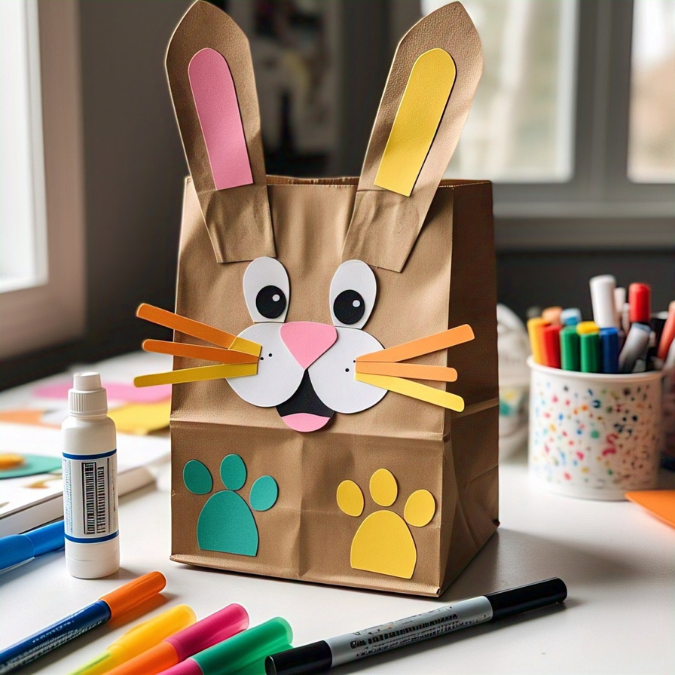
Using brown paper lunch bags or small kraft gift bags, kids can create customized treat bags. They are perfect for using during Easter egg hunts or simply bringing a few treats home after your family’s holiday gathering. Craft supplies you’ve used for some of the other projects above are perfect for this activity. Construction paper, glitter glue, pom poms, pipe cleaners, and sequins all add a fun touch. Have your kids make one for every child who will be attending Easter dinner or wait until everyone arrives and have all the kids make their own while the adults spend time chatting. Kids can also use the brown paper lunch bags to make fun Easter bunny-themed puppets too.
Dyed Easter Potatoes
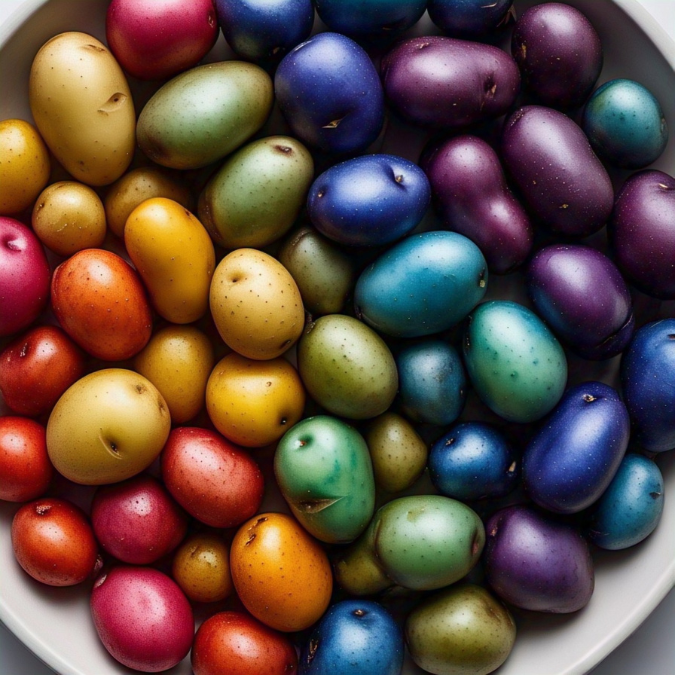
You might have seen memes saying that this year’s Easter eggs will be replaced with dyed potatoes, but it’s actually a thing you can do! You’ll need food coloring, light-colored potatoes (yellow potatoes work great), paintbrushes, and disposable gloves. Essentially, the food coloring works as paint, so you’ll want to help younger kids with dispensing the dye. This will prevent them from using too much or making a mess. Be sure to cover your table with a plastic tablecloth or newspaper to prevent the food coloring from staining your furniture. You may also want to put the kids in a painting smock or old T-shirt to protect their clothes. The Rose Bakes blog breaks down all the steps involved in dyeing potatoes for Easter.
Why Choose Alternatives to Dyeing Easter Eggs?
The cost of eggs has gone up, which is a good reason to find other alternatives. However, many of these ideas are just great activities to do with your kids no matter how much eggs cost. You can start a new tradition with just one of the ideas above or keep kids busy throughout spring break by trying them all. Some projects, like the painted Easter eggs and the hand-designed napkins, are reusable. This means you’ll have a keepsake to always remind you of the time you spent together.
Most of these project require minimal supplies and are easy for kids to do on their own. Make a list of what you need before you begin and don’t forget to take a few pictures of the finished projects.
Looking for non-chocolate Easter basket ideas? These creative Easter basket alternatives are practical, fun, and kid-approved.
FAQs About Alternatives to Dyeing Easter Eggs
Do I need real eggs for these Easter egg alternatives?
No — many alternatives don’t use real eggs at all. Activities like Easter crafts, scavenger hunts, art projects, and small toys let kids enjoy the holiday without hard-boiled eggs or food waste.
Are these alternatives less messy than dyeing Easter eggs?
Yes, most are much less messy. Traditional egg dyeing often involves food coloring, vinegar, spills, and stained hands. Many of these alternatives use dry materials, washable paints, or simple crafts that are easier to manage and clean up.
What are the best Easter egg alternatives for toddlers?
For toddlers, look for simple, low-mess activities like sticker crafts, plastic eggs filled with toys, sensory bins, or coloring projects. These options avoid fragile eggs and are safer for little hands.
Can I prepare these Easter activities ahead of time?
Absolutely. Many of these ideas can be prepped days in advance, which is especially helpful if you’re hosting Easter or juggling a busy schedule. Preparing early also makes Easter morning feel calmer and more enjoyable.
Can you still do an Easter egg hunt without dyed eggs?
Yes! You can use plastic eggs, craft eggs, small baskets, or even clue-based hunts. Kids still get the excitement of searching, and you can skip the dyeing step entirely.
What can I use instead of eggs to avoid food waste?
Reusable items like plastic eggs, wooden eggs, craft supplies, or small toys are great alternatives. These options reduce waste and can be reused year after year, making them both practical and budget-friendly.