Image credit: Shutterstock/Olena Rudo
The following sections feature several affiliate links or ads, meaning we’ll earn a small commission if you purchase through these links. Please see our privacy policy for more details.
When most people think about spring cleaning, the kitchen usually isn’t the first room that comes to mind. After all, it’s the space we wipe down every day. We clean the counters, load the dishwasher, sweep the floor, and move on.
So it feels like the kitchen is already handled.
But if you’ve ever opened your refrigerator and wondered when you last cleaned the shelves, noticed crumbs hiding in cabinet corners, or realized you haven’t touched your coffee maker since you bought it, you’re not alone.
The truth is, kitchens tend to get “surface clean” all year long. We stay on top of the obvious messes, but the deeper maintenance—the filters, hidden buildup, cluttered drawers, and neglected appliances—slowly adds up in the background.
That’s where a true kitchen spring reset makes a difference.
This isn’t about scrubbing everything in one exhausting weekend or trying to achieve a picture-perfect space. It’s about taking a thoughtful, step-by-step approach that helps your kitchen work better, feel calmer, and stay easier to manage long after spring is over.
In this kitchen spring cleaning guide, you’ll learn how to deep clean the spots most people miss, clear out what you no longer use, set up simple organization systems, and create a maintenance routine that actually sticks—without turning it into a full-time job.
Let’s start with the fastest win on your kitchen spring cleaning checklist and reset plan..
The Ultimate Kitchen Spring Cleaning Guide: A Step-by-Step Checklist
How to Tackle Kitchen Spring Cleaning Without Feeling Overwhelmed
Hidden Kitchen Cleaning Tasks Most People Miss
Declutter Your Kitchen Without Regret
Deep Cleaning Your Kitchen": A Zone-by-Zone Guide
Kitchen Organization Ideas for a Lasting Spring Reset
How to Tackle Kitchen Spring Cleaning Without Feeling Overwhelmed
Let’s be honest: even with a good plan, a full kitchen reset can still feel intimidating.
When you think about cleaning appliances, decluttering cabinets, organizing the pantry, and wiping every surface, it’s easy to feel stuck before you even start.
If that sounds familiar, this section is for you.
You don’t need hours of uninterrupted time. You don’t need endless motivation. And you don’t need to do everything in one weekend.
You just need a few simple strategies that make the process feel lighter.
Work in 20-Minute Spurts
Instead of setting aside an entire afternoon, try working in short, focused bursts.
Set a timer for 20 minutes.
Choose one small area.
Work until the timer ends.
Then stop.
You’ll be surprised how much you can accomplish in a short window—and stopping before you’re exhausted makes it easier to come back later.
Pair Cleaning with Something You Enjoy
Spring cleaning is much more tolerable when it’s paired with something you look forward to.
Try:
A favorite podcast
An audiobook
A playlist of upbeat songs
A comfort-show playing in the background
This turns cleaning time into “me time” instead of another chore.
Turn It Into a Mini Solo Reset
If your schedule allows, consider tackling bigger cleaning sessions when no one else is home.
Put on music you love.
Sing along as loudly as you want.
Take breaks when you need to.
Work at your own pace.
Sometimes having the kitchen to yourself makes the entire process feel calmer and more enjoyable.
Lower the Bar (On Purpose)
Not every reset has to be perfect to be successful.
If all you do today is clean the sink and clear one drawer, that still counts.
Progress is progress.
A partially finished reset is far better than one that never starts.
Spring cleaning works best when it fits into real life—not when it demands perfection. Give yourself permission to move slowly, take breaks, and enjoy the process in small ways.
Once you’ve found your rhythm, getting started becomes much easier.
The 30-Minute Kitchen Reset (Start Here)
Before you dive into deep cleaning and organizing, take half an hour to reset the space. This quick refresh makes everything else feel easier and less overwhelming—and it gives you an instant win right at the start.
Set a timer for 30 minutes, turn on a favorite playlist or podcast, and focus on getting the kitchen back to “neutral.” You’re not scrubbing yet. You’re clearing the way.
Step 1: Clear the Counters
Start by removing everything that doesn’t truly belong on your countertops. Mail, school papers, random chargers, and half-finished projects have a way of landing here and staying longer than they should.
Put items back where they belong, toss what you no longer need, and leave only the essentials, like your coffee maker or daily-use appliances.
Step 2: Empty the Sink and Dishwasher
Load or unload the dishwasher, wash any lingering dishes, and clear out the sink. A clean sink instantly makes the whole kitchen feel more manageable and sets the tone for the rest of the reset.
Step 3: Toss Expired and Unused Items
Do a quick sweep of the refrigerator and pantry for anything that’s expired, stale, or clearly not getting used. You don’t need to do a full purge yet—just remove the obvious clutter so you’re not working around it later. This includes all the salad dressings and condiments hiding in the fridge door!
Step 4: Put Away the “Homeless” Items
Every kitchen has them: water bottles without lids, stray lunch containers, mystery utensils, and gadgets that don’t quite have a home.
Take a few minutes to return these items to their proper spots or decide if they still deserve space in your kitchen.
Step 5: Do a Fast Surface Wipe
Finish with a quick wipe of the counters, stove, and table. This isn’t a deep clean—it’s just enough to make the room feel fresh and ready for the next step.
After 30 minutes, stop.
Even if that’s all you do today, you’ve already made meaningful progress. And now, with the clutter cleared and surfaces reset, it’s much easier to tackle the deeper cleaning tasks that most people overlook.
Is This an Evening Cleaning Routine?
While this 30-minute reset is the perfect foundation for an evening cleaning routine, the steps below take you deeper. If you're looking for a way to keep your kitchen tidy every night in under 15 minutes, [check out our daily maintenance guide here], but stay on this page if you're ready to tackle the once-a-year deep clean that makes those daily routines a breeze.
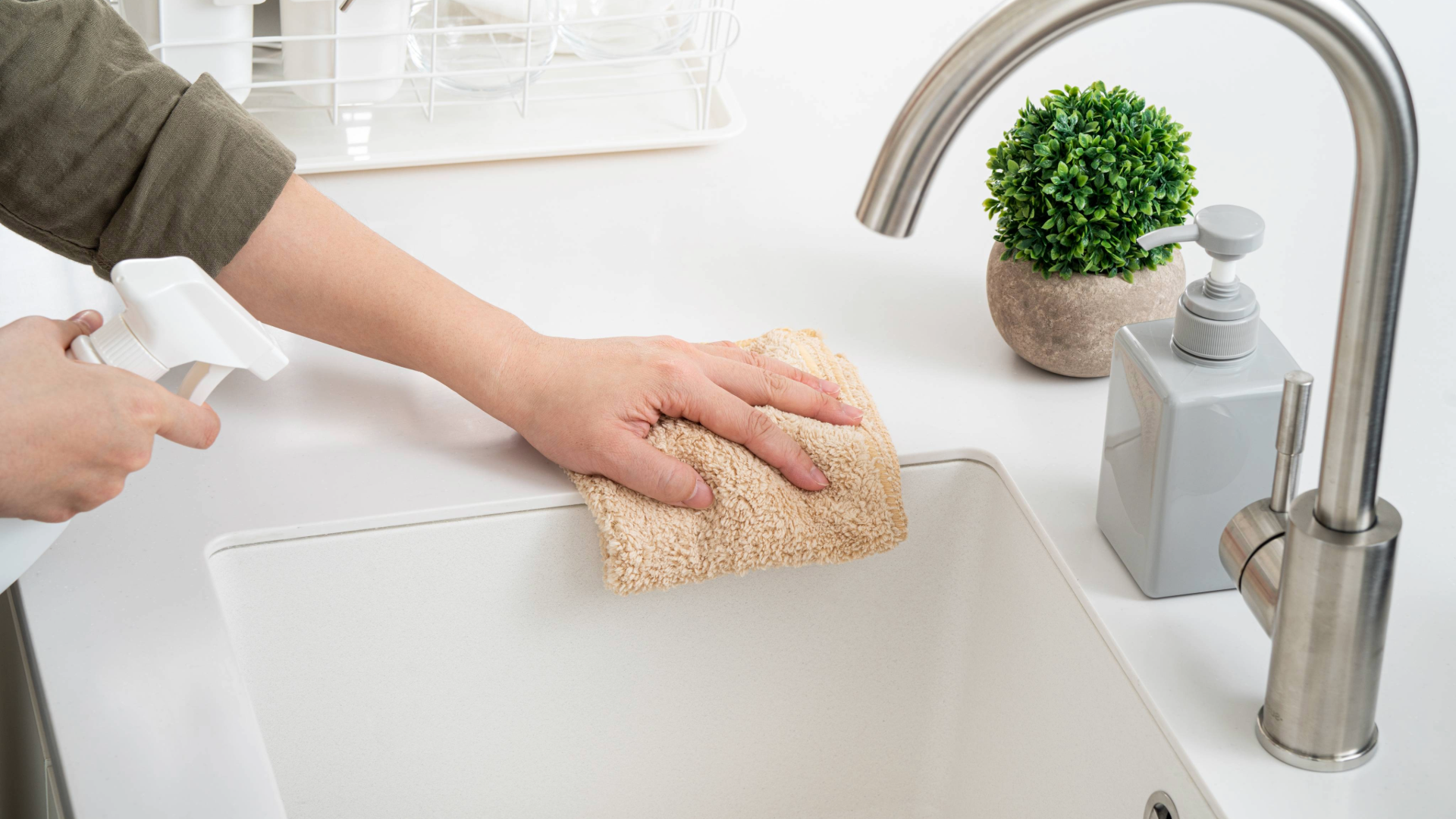
Image credit: Shutterstock/Romix Image
Hidden Kitchen Cleaning Tasks Most People Miss
Because the kitchen gets cleaned so often, it’s easy to assume everything is already under control. Counters get wiped, dishes get done, and floors get swept. On the surface, it looks clean.
But underneath that daily routine, there are plenty of small maintenance tasks that quietly get skipped for months—or even years—at a time. Over time, they affect how your kitchen functions, how fresh it feels, and how much work it takes to keep it clean.
Taking care of these hidden spots just once or twice a year can make a noticeable difference.
Coffee Maker and Drink Station
If you rely on your coffee maker every morning, it probably gets plenty of use—but not much attention.
Run a cleaning or descaling cycle according to the manufacturer’s instructions
Wash removable parts, including the carafe and filter basket
Wipe down warming plates and exterior surfaces
Replace the water filter if your machine uses one
A clean coffee station doesn’t just look better—it can also improve the taste of your drinks.
Refrigerator Maintenance
Your refrigerator works around the clock, yet it’s easy to forget about anything beyond wiping spills.
Remove shelves and drawers for a deep clean
Wipe down door seals and handles
Check and replace the water filter if needed
Vacuum or dust the coils if they’re accessible
These small steps help your fridge run more efficiently and stay fresher longer.
Dishwasher and Microwave
Both of these appliances handle messes daily, which means buildup happens faster than you might think.
For the dishwasher:
Remove and rinse the filter
Wipe down the door edges and rubber seals
Run an empty cleaning cycle if needed
For the microwave:
Heat a bowl of water with lemon or vinegar (or use a microwave steam cleaner)
Wipe away loosened residue
Clean the door and control panel
Sink, Faucet, and Garbage Disposal
This area gets constant use, but it’s often cleaned only at surface level.
Unscrew and rinse the faucet aerator
Scrub around the drain and stopper
Freshen the disposal with baking soda and citrus peels
Polish fixtures to remove water spots
A few minutes here can make your entire sink area feel brand new.
Cabinets, Drawers, and Handles
Crumbs, grease, and fingerprints tend to hide where you least expect them.
Vacuum crumbs from drawer corners
Wipe cabinet fronts and handles
Clean shelf liners or replace them if needed
Check for sticky residue near cooking areas
Once these hidden spots are refreshed, your kitchen will feel cleaner even on days when you haven’t done much else.

A deep-clean feels amazing—but it’s even better when it lasts.
Decluttering your counters and cabinets makes every reset easier and keeps your kitchen feeling calm long after spring cleaning is done.
Declutter Your Kitchen Without Regret
Before you scrub another shelf or reorganize a single drawer, pause.
Because deep cleaning around clutter just means you’re carefully cleaning things you don’t actually need.
Kitchen clutter tends to build slowly. A gadget here, a duplicate spatula there, a specialty appliance you bought for one recipe three years ago. None of it feels overwhelming on its own—but together, it makes cabinets harder to use and counters harder to clear.
Spring is the perfect time to reset.
This doesn’t have to be dramatic. You don’t need to empty every cabinet onto the floor. Instead, move through your kitchen category by category and ask one simple question:
Is this earning its space?
Single-Use Gadgets
If it only does one thing and you haven’t used it in the past year, it might be taking up valuable room.
Avocado slicers. Egg separators. Novelty baking pans. Specialty tools that seemed like a good idea at the time.
If you love it and use it, keep it. If not, let it go.
Duplicates and Extras
How many wooden spoons do you actually need? How many water bottles are missing lids? Are there three half-used sets of measuring cups scattered across drawers?
Keep your best, most functional versions and donate or recycle the rest.
“Someday” Appliances
That bread maker. The ice cream machine. The juicer you swore you’d use every weekend.
If it hasn’t left the shelf in a year (or longer), it may be time to free up that space for items you use weekly. If you aren’t sure about an appliance, give it some time in the basement or a storage closet. You’ll still be able to grab it if you need it, but your “someday” appliance won’t take up precious space in your cabinets.
Mismatched Containers and Missing Lids
Food storage containers multiply quickly, and somehow the lids never match. Some food storage containers get damaged or stained over time (think melted bottoms from overuse in the microwave).
Match what you can, keep complete sets, and recycle the rest. Fewer, better containers are easier to stack and store.
Expired Pantry Items
Old spices lose potency. Opened bags of baking ingredients can attract moisture. Half-used boxes hide in the back corners, and empty boxes the kids put back tend to linger.
Check dates, toss what’s clearly past its prime, and make a short list of staples to restock.
Decluttering your kitchen isn’t about minimalism. It’s about making everyday tasks easier. When cabinets close smoothly and drawers aren’t jammed with extras, cleaning and cooking both feel lighter.
Once the excess is cleared, you’re ready to deep clean without working around things that shouldn’t be there in the first place.
Deep Cleaning Your Kitchen: A Zone-by-Zone Guide
Once the clutter is gone, kitchen spring cleaning becomes much easier. Instead of bouncing randomly from task to task, work through your kitchen one zone at a time. This keeps the process manageable and helps you see steady progress as you go.
You don’t have to do this all in one day. Consider tackling one each day or splitting them up between two weekends.
Counters and Backsplash
These surfaces get wiped daily, but they still benefit from a deeper refresh.
Clear everything off the counters
Clean and disinfect surfaces according to the material
Scrub grout lines or seams if needed
Wipe backsplash tiles and outlet covers
Return only daily-use items
If your tile backsplash still looks dull even after scrubbing, it may be the grout that’s making it look tired. A grout pen can brighten darkened grout lines and instantly make the entire backsplash look newer and cleaner.
Sink and Faucet
A clean sink makes the entire kitchen feel fresher. (If you’re ever running short on time and need to clean the house in a few minutes, start with the sink!)
Scrub the basin with an appropriate cleaner
Polish the faucet and handles
Clean around the drain and stopper
Rinse and sanitize sink strainers (I run mine through the dishwasher with my stove burner grates)
Wipe surrounding countertop edges
Stove, Cooktop, and Oven
Cooking residue builds up quickly in this zone.
Remove burner grates and knobs for washing
Wipe under burners or cooktop panels
Clean grease from control panels
Use an oven cleaner or self-cleaning cycle if needed
Degrease the surrounding backsplash
Refrigerator and Freezer
A seasonal reset keeps food fresher and odors away.
Remove expired and forgotten items
Take out shelves and drawers for washing
Wipe interior walls and door bins
Clean exterior handles and seals
Return food in organized zones
Replace baking soda/fridge deodorizer
Pantry Shelves
Even organized pantries collect crumbs and spills.
Remove shelf items section by section
Vacuum or wipe shelves
Clean sticky residue
Group similar foods together
Double-check expiration dates just in case
Cabinets and Drawers
Hidden spaces benefit from an occasional reset.
Empty one cabinet or drawer at a time
Vacuum crumbs and debris
Wipe interior surfaces
Clean handles and knobs
Replace shelf liners if needed
Floors and Baseboards
This final step pulls everything together.
Sweep and vacuum thoroughly
Mop according to flooring type
Wipe baseboards and corners
Clean under movable furniture
Let floors dry completely before replacing rugs
Working through these zones one at a time prevents burnout and keeps the process realistic. Even completing two or three areas in a single session can make a noticeable difference in how your kitchen looks and feels.
Kitchen Organization Ideas for a Lasting Spring Reset
After you’ve decluttered and deep cleaned, this is the moment to put simple systems in place that make your kitchen easier to use every single day.
Organization isn’t about making everything look perfect. It’s about reducing friction—so putting things away takes less effort than leaving them out.
When your storage works for your routines, messes don’t pile up as quickly. You may even find that next year’s spring cleaning checklist gets done faster!
Reset Your Pantry with Clear Zones (and Consider Decanting)
Instead of organizing your pantry by “where things fit,” organize it by how you actually use it.
Start by creating simple zones, such as:
Breakfast and coffee items
Snacks and lunchbox supplies
Baking ingredients
Canned and packaged meals
Dinner staples
Grouping similar items together makes it easier to find what you need, and it creates logical places for food to go. This means you might not have to constantly answer questions about where the cookies are or who moved the cereal.
If you want to take your pantry organization one step further, consider decanting some staples into clear containers.
Pantry staples like flour, sugar, rice, pasta, cereal, and snacks often store better in airtight containers than in half-open boxes or bags. Decanting helps:
Keep food fresher longer
Reduce messy spills
Make quantities easier to see
Create more uniform, stackable storage
You don’t need to decant everything for this to be helpful. Even starting with just your most-used baking supplies or snack items can make a noticeable difference.
Clear bins and baskets are also useful for corralling smaller packages, such as single-serving packets of chips or cookies, while simple labels help everyone know where things belong. This makes the system easier to maintain over time.
Maximize Cabinet Space
Most kitchen cabinets waste vertical space without you realizing it.
A few small upgrades can double what fits comfortably inside:
Shelf risers for plates and bowls
Turntables for spices and condiments
Stackable bins for snacks or baking tools
Vertical organizers for cutting boards and trays
These tools prevent items from getting buried in the back, which reduces duplicate purchases and forgotten supplies.
Create “Drop Zones” for Daily Use
Some kitchen clutter isn’t really clutter—it’s just items without a home.
Think about what lands on your counters most often:
Reusable water bottles
Lunch containers
Coffee pods
Snack bags
Mail and papers
Designate small, intentional storage spots for these items, such as a basket, tray, or cabinet bin. When everyday essentials have a place, counters stay clearer without constant effort.
Make It Easy to Maintain
The best organization systems are the ones you barely have to think about.
Before finalizing any setup, ask:
Can everyone in the house understand this?
Is it easy to put things back?
Does this match how we actually cook and eat?
If the answer is no, adjust it now. A “good enough” system that works is far better than a perfect one that falls apart in two weeks.
Make Peace with the Junk Drawer (and Organize the Rest)
Most kitchens have at least one drawer that collects everything: batteries, rubber bands, takeout menus, scissors, mystery keys, spare change, and random cords.
And that’s okay.
Trying to eliminate the junk drawer entirely usually backfires. Those small, in-between items still need somewhere to land, and without a designated spot, they end up scattered across counters and cabinets instead.
The goal isn’t to get rid of the junk drawer. It’s to keep it from turning into chaos.
Start by emptying the drawer and tossing anything that’s clearly broken, expired, or unnecessary. Then group what’s left into loose categories, like tools, office supplies, and household odds and ends.
Use simple trays or small containers to keep these groups separated. They don’t have to be fancy. Even leftover boxes or small bins can work.
For the rest of your drawers, focus on keeping everyday tools easy to reach.
Group similar items together:
Cooking utensils
Prep tools
Measuring tools
Gadgets and accessories
Adjustable dividers work best because they can adapt as your needs change. Leave a little breathing room so drawers don’t feel jammed shut.
A controlled junk drawer plus organized working drawers is far easier to maintain than trying to make every space perfect.
Helpful Supplies That Make Kitchen Spring Cleaning Easier
You don’t need a cabinet full of specialty products to deep clean your kitchen. A small collection of reliable, multi-purpose tools will handle most tasks and make the process faster and less frustrating.
If you’re restocking for spring, these are the essentials worth having on hand.
Heavy-Duty Cleaning Power
For stuck-on grime, grease, and mineral buildup, a few stronger cleaners go a long way.
Look for:
A gentle abrasive cleaner like Bar Keepers Friend
Degreaser for stovetops and backsplashes
Descaling solution for coffee makers and kettles
Dishwasher cleaning tablets
These products help you tackle problem areas without excessive scrubbing.
Everyday Surface Cleaners
You’ll use these constantly, so choose ones you like working with.
Glass cleaner
Stainless steel appliance cleaner (if you have these appliances)
Disinfecting wipes for quick touch-ups
Having a few reliable basics makes daily maintenance much easier after your reset.
Cloths, Sponges, and Scrubbers
Good tools make a bigger difference than most people realize.
Microfiber cloths for streak-free wiping
Non-scratch scrub sponges
Bottle brushes for narrow containers
Old toothbrushes for detail cleaning
Designating a few cloths just for kitchen use helps keep things sanitary and organized.
Organization Tools
If you’re setting up new systems, a few simple organizers can help everything stay in place.
Shelf risers
Turntables/lazy Susans
Label maker or pre-printed labels
You don’t need to buy everything at once. Start with the areas that cause the most frustration and build from there.
Maintenance and Replacement Items
These small items are easy to forget, but they make a big difference over time.
Coffee maker water filters
Replacement sponges
Shelf liners
One simple upgrade that makes a big difference is a dedicated cleaning caddy. Keeping your most-used supplies in one portable container makes it easier to move from zone to zone without constantly searching for what you need. When you’re finished, the entire caddy can be stored on a high shelf or in a locked cabinet out of reach of small hands and curious pets.
You don’t need to buy everything on this list to do a successful kitchen reset. Start with what you already have, replace what’s worn out, and add new tools only when they genuinely make your routine easier.
A Simple Maintenance Plan to Keep Your Kitchen in Shape
Image credit: Shutterstock/Muhammad Nadim UIUX
After putting in the effort to declutter, deep clean, and organize your kitchen, the last thing you want is for everything to slowly slide back into chaos.
The good news is that keeping your kitchen in good shape doesn’t require constant deep cleaning. A few small, consistent habits will protect all the work you’ve just done.
Think of this as light maintenance—not another big project.
Monthly Tasks
These quick check-ins prevent buildup from taking over.
Wipe cabinet fronts and handles
Clean the microwave interior
Check for expired pantry items
Refresh kitchen sponges and dishcloths
Do a quick junk drawer reset
Quarterly Tasks
Every few months, focus on deeper upkeep.
Replace refrigerator and coffee maker filters
Clean dishwasher filter
Wipe refrigerator shelves and door bins
Reorganize one problem cabinet or drawer
Restock basic cleaning supplies
Yearly (or Seasonal) Tasks
Once or twice a year, do a more thorough reset.
Deep clean the refrigerator and freezer
Declutter rarely used appliances
Wash or replace shelf liners
Refresh grout with a grout pen if needed
Reevaluate pantry zones and storage systems
You don’t need to follow this schedule perfectly for it to work. Even doing a few of these tasks regularly will make your kitchen easier to manage and more enjoyable to use.
The goal isn’t perfection. It’s creating a space that supports your routines, your family, and your everyday life—without constant effort.
Your Kitchen Reset, Made to Last
Spring cleaning your kitchen isn’t about creating a space that looks perfect for a few days. It’s about building systems that support your daily life, including busy mornings, quick lunches, family dinners, and everything in between.
When you take the time to reset hidden areas, clear out what you no longer use, and organize around how your household actually functions, the entire kitchen becomes easier to manage. Cooking feels less stressful, cleaning takes less time, and clutter doesn’t build up as quickly.
Remember, this process doesn’t have to happen all at once. You can work through it over several days or weekends, tackling one zone at a time.
The Path to a Simpler Home
A refreshed kitchen is the heart of a functional home, but it’s often just the beginning of a larger reset. If you’re ready to bring this same sense of order and warmth to the rest of your space, you may find these manageable, real-life solutions helpful:
Maintain the Momentum: 6 Easy Ways to Declutter Kitchen Counters — Keep those surfaces clear long after your spring clean is finished.
The Laundry Loophole: How to Keep Matching Socks Together Without Extra Laundry — A simple system to end the "missing sock" mystery for good.
Taming the Teen Room: Simple Storage Ideas for Your Teen’s Hoodies— Practical organization that even your busiest kids can manage.
Each of these systems is designed to fit into the cracks of a busy schedule, creating a home that feels high-end in its order but remains entirely approachable for the whole family.